

The GMP manufacturing process sits at the heart of how medicines are made reliably and at scale. It defines the discipline behind pharmaceutical production: the checks, controls, and documented practices that ensure every batch is manufactured to the same standard as the last.
Rather than attempting to “test quality in” at the end, Good Manufacturing Practice is designed to embed quality into every step of the process, from how raw materials are qualified to how finished products are released. This process-driven approach is what allows medicines to be produced safely, consistently, and in line with regulatory expectations.
When GMP systems break down, the consequences are rarely theoretical. Manufacturing and quality system failures remain among the leading causes of pharmaceutical recalls worldwide. As supply chains stretch across multiple countries and single facilities increasingly supply several markets at once, the strength of the GMP manufacturing process becomes a critical factor in protecting both human and veterinary patients.
What Is GMP and Why It Matters in Pharmaceuticals
Good Manufacturing Practice refers to a set of regulatory principles designed to minimise the risks inherent in pharmaceutical manufacturing. These risks include contamination, product mix-ups, incorrect labelling, and batch-to-batch variability, many of which cannot be reliably detected through final product testing alone.
For this reason, regulators consistently emphasise that quality must be built into the manufacturing process itself. GMP exists to ensure that medicines are produced under controlled conditions using validated processes, qualified personnel, and suitable facilities. Without these controls, even well-designed formulations can become unsafe or unreliable due to variability introduced during production.
Beyond regulatory compliance, GMP manufacturing processes underpin trust across the pharmaceutical supply chain. Distributors, market authorisation holders, and regulators rely on GMP frameworks to assess whether products can be manufactured and supplied consistently across different markets, scales, and regulatory environments.
Core Principles That Determine Whether GMP Holds Under Pressure
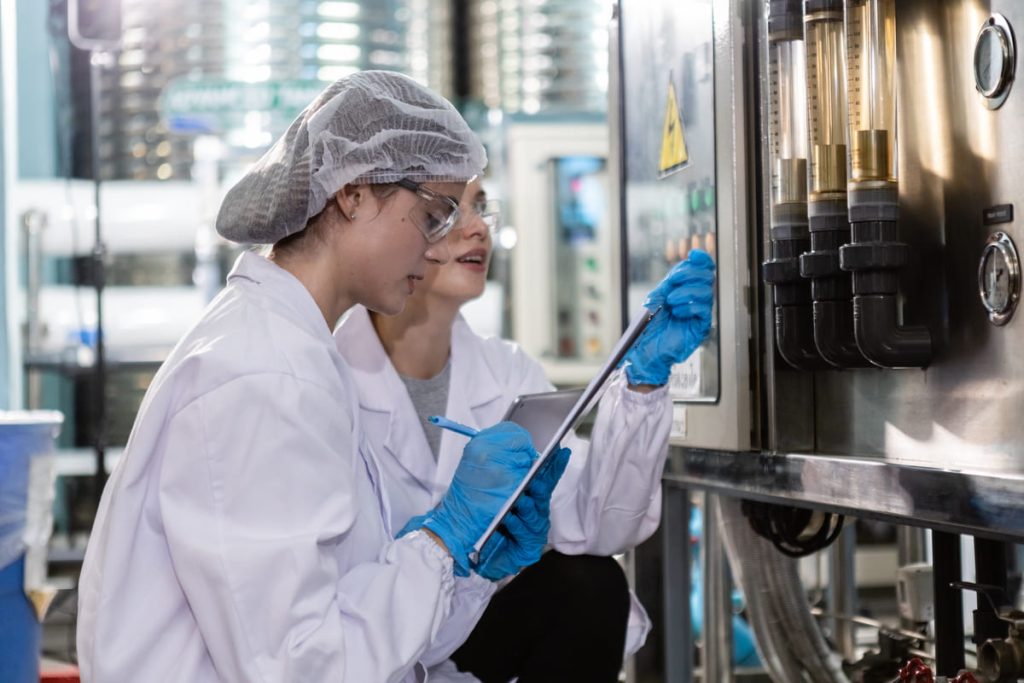
The GMP manufacturing process is built around a set of core principles that apply across pharmaceutical sectors and geographies.
One central principle is defined and controlled processes. Manufacturing activities must follow approved, documented procedures that are consistently applied and actively monitored. Another is personnel competence, requiring that individuals involved in GMP-critical activities are appropriately trained, supervised, and aware of their responsibilities.
Controlled environments are equally critical. Facilities, equipment, and utilities must be designed, qualified, and maintained to minimise the risk of contamination or error. These controls are supported by validation, which provides documented evidence that processes and systems perform as intended. Quality oversight then ensures that deviations are identified, investigated, and resolved in a structured and traceable manner.
Together, these principles form an integrated system that supports consistency, accountability, and regulatory confidence, particularly when operations are scaled or transferred across sites.
Pharmaceutical Quality Management Systems and Ongoing Control
The GMP manufacturing process operates within a broader pharmaceutical quality management system that defines how quality responsibilities are assigned, how risks are managed, and how improvements are implemented over time.
A mature quality management system integrates deviation handling, change control, corrective and preventive actions, internal audits, and management review into routine operations. Facilities with well-established quality systems tend to perform more consistently during regulatory inspections, reflecting the value of proactive quality governance rather than reactive compliance.
As pharmaceutical operations expand, transfer products, or introduce changes, quality management systems allow those changes to be implemented in a controlled manner without undermining GMP compliance or product reliability.
Why Documentation Is Where Most GMP Systems Fail
Documentation is one of the most closely scrutinised elements of the GMP manufacturing process. Every critical step in manufacturing must be recorded in a way that allows products to be traced from raw materials through to finished dosage forms.
Regulatory inspection trend analyses consistently show that documentation and data integrity issues remain among the most frequently cited GMP findings, particularly in complex or high-volume manufacturing environments. Even where analytical results meet specifications, incomplete, inconsistent, or poorly controlled records can undermine regulatory confidence, delay batch release, or trigger inspection observations.
Batch manufacturing records provide the evidence that materials, equipment, process parameters, and quality checks aligned with approved procedures. In this sense, documentation is not an administrative exercise but a central pillar of GMP compliance.
Validation, Quality Control, and Independent Batch Release
Validation is a foundational element of the GMP manufacturing process. It demonstrates that manufacturing processes, equipment, and systems are capable of consistently producing products that meet predefined quality requirements.
Quality control testing supports validation by verifying raw materials, in-process samples, and finished products against established specifications. Batch release is then performed by authorised personnel who review manufacturing documentation, analytical results, and any associated deviations. This structural separation between production and release functions helps ensure that quality decisions remain independent of commercial pressure.
Ensuring Consistency and Safety in Finished Dosage Forms
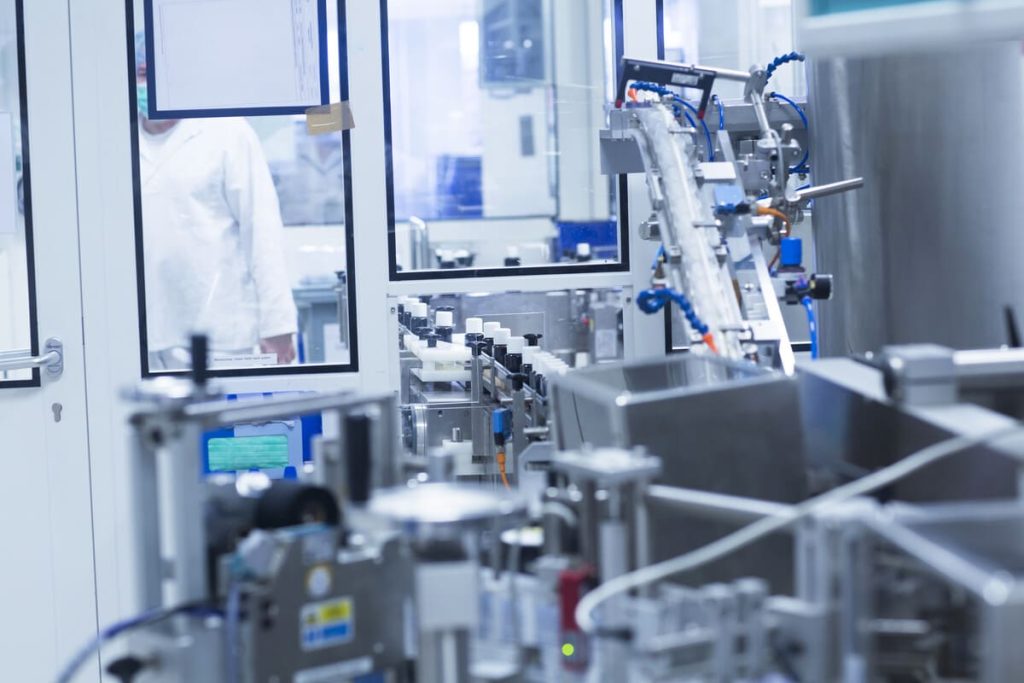
Ensuring consistency and safety in finished dosage forms remains a primary objective of GMP manufacturing. Consistency ensures that each unit, and each batch, meets defined standards for composition, performance, and stability.
Achieving this requires careful control of formulation variables, manufacturing parameters, and packaging operations. Stability studies confirm that products maintain quality throughout their shelf life under defined storage conditions. When these controls are embedded within GMP systems, they help protect end users while supporting confidence across the pharmaceutical supply chain.
GMP Manufacturing in India and Global Supply Chains
India is one of the world’s largest suppliers of generic medicines and active pharmaceutical ingredients, making GMP compliance in Indian manufacturing facilities critical to global pharmaceutical supply continuity. Indian manufacturers supply regulated and semi-regulated markets worldwide and are subject to oversight from multiple regulatory authorities.
Manufacturing facilities in India operate under GMP requirements set out in Schedule M of the Drugs and Cosmetics Rules, 1945. While these requirements align with international GMP principles, consistent implementation depends heavily on operational discipline, staff training, and quality culture.
A notable India-specific regulatory focus is data integrity, particularly in relation to electronic records and audit trails. As a result, documentation practices and staff awareness have become central to maintaining compliance. Companies coordinating manufacturing and international supply chains in India, including organisations such as Novodex Pharma, prioritise supplier qualification, quality oversight, and regulatory alignment to manage GMP risk across multiple markets.
GMP as the Foundation of Pharmaceutical Quality
The GMP manufacturing process provides the foundation for quality, safety, and trust in pharmaceutical products. By embedding validated processes, controlled environments, and transparent documentation into manufacturing operations, GMP ensures that medicines are produced consistently and responsibly.
As pharmaceutical supply chains continue to globalise and regulatory expectations evolve, GMP remains the constant that underpins market access, inspection readiness, and long-term credibility. Whether applied in established facilities or emerging manufacturing regions, robust GMP manufacturing processes protect end users and support confidence across the pharmaceutical industry.
Pingback: What Regulatory Inspections Look for in GMP Audits - Novodex Pharma
Pingback: Pharmaceutical Manufacturing in India: Quality, Regulation, and Global Supply - Novodex Pharma