

Walk into almost any hospital pharmacy in the world and a significant share of the medicines on the shelves will have been manufactured thousands of kilometres away. Over time, global healthcare systems have come to rely on a small number of countries capable of producing high-quality medicines at scale. India is one of those countries.
India occupies a central position within the global pharmaceutical ecosystem, particularly in the manufacture of finished generic medicines. Indian manufacturers supply about 20 percent of the world’s generic medicines by volume, supporting healthcare systems across both regulated and emerging markets. This level of contribution places India firmly at the centre of international medicine supply chains.
For organisations that depend on international manufacturing partners, understanding how pharmaceutical production operates in India, how it is regulated, and how Indian CDMOs work across multiple GMP frameworks is essential for making informed, risk-aware decisions.
India’s Role in the Global Pharmaceutical Supply Chain
India is one of the world’s largest suppliers of generic medicines, with manufacturers supporting healthcare systems across both regulated and emerging markets. Indian facilities often act as primary suppliers for hospitals, public health programmes, NGOs, and commercial distributors.
India has the largest number of USFDA-compliant plants outside the US and India’s pharmaceutical exports reach more than 150 countries, including the United States, the EU, Africa, and Asia, demonstrating the sector’s global integration.
This level of reliance raises the stakes for manufacturing consistency and regulatory confidence. Quality failures, inspection findings, or production disruptions at a single Indian facility can have immediate downstream effects, including supply interruptions, delayed tenders, import alerts, or shortages in multiple markets.
As global supply chains have become more interconnected, India’s role has evolved. Manufacturing scale and cost efficiency remain important, but documentation discipline, inspection readiness, and quality system maturity now play a decisive role in determining whether manufacturers can sustain participation in international markets.
What Pharmaceutical Manufacturing in India Looks Like in Practice
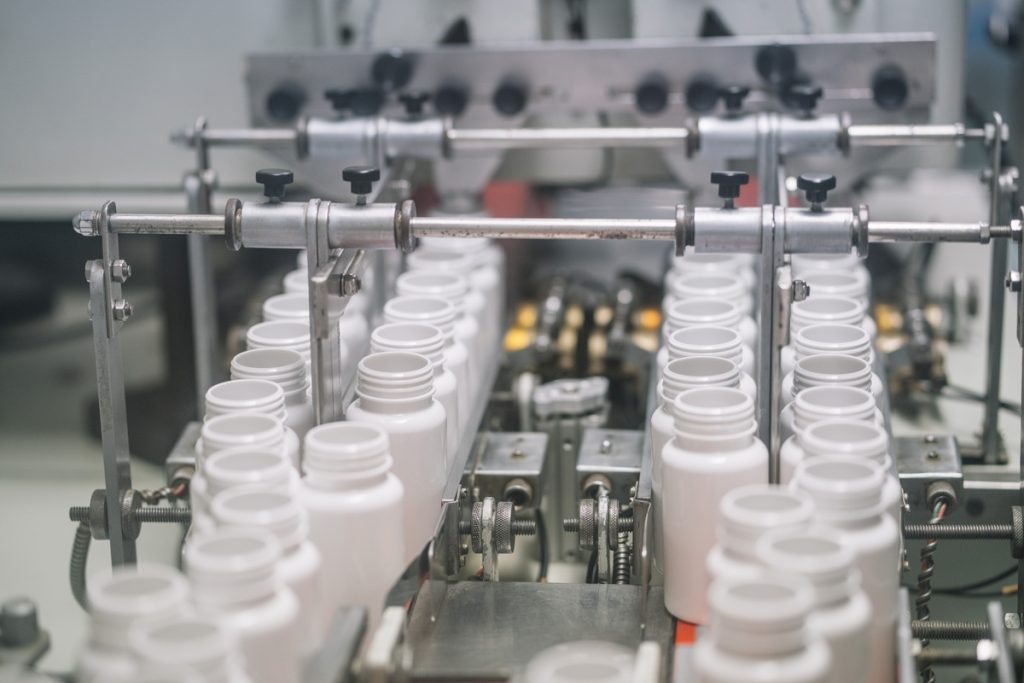
Pharmaceutical manufacturing in India spans the full value chain. Facilities produce active pharmaceutical ingredients, develop formulations, manufacture oral solid dosage forms, injectables, and specialised products, and supply both domestic and export markets.
The sector includes both vertically integrated manufacturers and specialised contract development and manufacturing organisations (CDMOs). This diversity supports flexibility and scale but also increases operational complexity. Facilities vary in infrastructure maturity, workforce profile, and regulatory exposure.
Maintaining consistent GMP compliance across this landscape requires strong quality governance. Ongoing training, standardised documentation, and effective oversight are critical to ensuring processes perform reliably during routine operations, not only during inspections.
Regulatory Framework Governing Pharmaceutical Manufacturing in India
Pharmaceutical manufacturing in India is regulated under a national framework administered by the Central Drugs Standard Control Organization (CDSCO) in accordance with the Drugs and Cosmetics Act. This framework governs manufacturing licences, inspections, compliance requirements, and enforcement actions.
Manufacturers supplying export markets are also subject to inspection by international regulatory authorities. As a result, many Indian facilities operate under multiple layers of regulatory scrutiny.
Inspections assess not only facility design and equipment, but also the effectiveness of quality systems under routine manufacturing conditions. This multi-agency oversight environment has strongly influenced the development of quality systems across Indian pharmaceutical manufacturing, particularly among export-oriented CDMOs.
GMP Frameworks Used by Indian CDMOs

Indian pharmaceutical CDMOs typically operate across more than one GMP framework. Indian regulations provide the legal foundation for manufacturing, while international GMP standards enable supply to specific export markets.
Schedule M as India’s GMP Foundation
Schedule M sets the minimum enforceable GMP standard for pharmaceutical manufacturing in India and governs how facilities are designed, staffed, documented, and operated on a day-to-day basis. It specifies requirements for production areas, material flows, environmental controls, equipment qualification, batch documentation, in-process controls, laboratory testing, and the responsibilities of technical and quality personnel.
In practice, Schedule M inspections focus heavily on whether core systems function reliably during routine operations. Inspectors examine batch manufacturing records, deviation handling, laboratory controls, cleaning practices, and data traceability to assess whether documented procedures reflect what is actually happening on the shop floor. Deficiencies commonly arise not from missing procedures, but from inconsistent execution or weak oversight across shifts and departments.
Many Indian manufacturers operate successfully under Schedule M when supplying the domestic market or jurisdictions that recognise Indian regulatory standards. For export-oriented CDMOs, Schedule M typically serves as the structural baseline, with additional controls introduced to meet WHO, FDA, or EU GMP expectations around data integrity, risk management, and system robustness. How effectively manufacturers build on this baseline often determines their ability to sustain access to regulated international markets.
WHO GMP for International Procurement
A significant number of Indian CDMOs align their operations with Good Manufacturing Practice guidance issued by the World Health Organization. WHO GMP is widely recognised and frequently used for international procurement, including public health programmes and NGO supply.
WHO GMP places strong emphasis on quality systems, documentation discipline, and risk-based controls, supporting multi-country supply and inspection readiness.
FDA cGMP for the United States Market
Indian CDMOs supplying the United States operate under current GMP enforced by the U.S. Food and Drug Administration. FDA cGMP places particular emphasis on data integrity, system effectiveness, and process control.
Facilities that meet FDA expectations often apply these principles broadly across their operations, strengthening quality performance regardless of the destination market.
EU GMP for European and UK Supply
Some Indian CDMOs also align with GMP requirements as overseen by the European Medicines Agency. EU GMP emphasises pharmaceutical quality systems, documented risk management, and clearly defined oversight responsibilities.
Alignment with EU GMP supports access to highly regulated markets and reinforces organisational discipline across manufacturing operations.
How GMP Frameworks Are Integrated in Practice
In practice, Indian CDMOs do not operate separate quality systems for each market. Most operate a single integrated quality management system designed to meet the expectations of Schedule M, WHO GMP, FDA cGMP, and EU GMP where applicable.
This harmonised approach simplifies inspections, supports regulatory flexibility, and enables consistent manufacturing performance across markets. Companies coordinating international pharmaceutical supply chains, including Novodex Pharma, typically prioritise manufacturing partners that demonstrate this integrated GMP capability.
Ongoing Challenges in Indian Pharmaceutical Manufacturing
Pharmaceutical manufacturing in India faces ongoing challenges related to scale, workforce dynamics, and evolving regulatory expectations. High-volume production places sustained emphasis on process control, documentation accuracy, and quality oversight.
Regulatory focus on data integrity and electronic records continues to intensify. Successfully addressing these expectations depends on system maturity and quality culture rather than reactive compliance measures.
Facilities that embed GMP principles into daily operations tend to demonstrate greater resilience under inspection and over time.
Why Indian Manufacturing Remains Central to Global Medicine Supply
Indian pharmaceutical manufacturing remains essential to global access to medicines. Its combination of scale, technical capability, and manufacturing depth supports the availability of affordable medicines across many therapeutic areas and regions.
Global reliance on Indian supply highlights the importance of sustained quality performance and regulatory engagement. Manufacturers operating under recognised GMP frameworks contribute directly to supply continuity and regulatory confidence worldwide.
India’s Place in a Global GMP Environment
Pharmaceutical manufacturing in India occupies a central position within the global healthcare ecosystem. Schedule M provides the domestic GMP foundation, while alignment with WHO, FDA, and EU GMP enables participation in international supply chains.
CDMOs that integrate these frameworks within a unified quality system demonstrate operational resilience and regulatory credibility. As pharmaceutical supply chains continue to globalise, the quality performance of Indian manufacturing facilities will remain a key determinant of global medicine availability.