
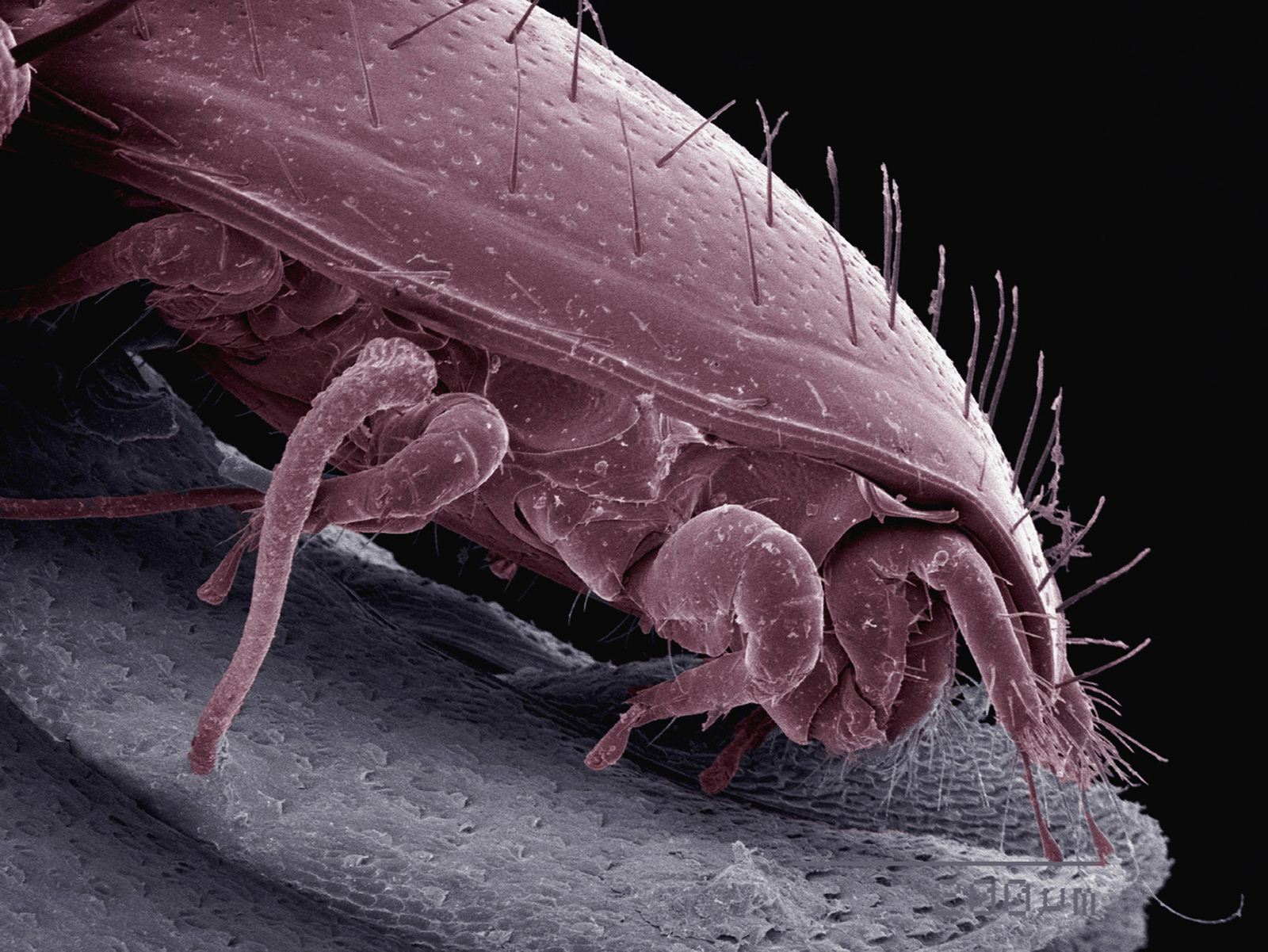
Parasites such as fleas, ticks, and mites pose ongoing risks to canine health because their biology does not conform to a simple, short-term treatment window. Fleas can lay up to 50 eggs per day, with immature stages completing development in as little as 2 to 3 weeks under favourable conditions.
Mites often complete their entire life cycle on the host, and ticks can remain attached and feeding for several days before detaching to lay eggs. These overlapping and rapid life cycles mean that a one-off or short-duration treatment frequently fails to interrupt the parasite population effectively.
For veterinarians, shelter managers, and pet caregivers, understanding these life cycles is essential to designing parasite control strategies that do not only address current infestation, but also reduce the risk of recurrence. The key factor in long-term success is protection that covers the full biological timeline of parasite development and exposure.
Parasite Life Cycles in Dogs and Why They Matter
Fleas, ticks, and mites each have distinct life histories, but all share a common feature. Multiple stages can continue independently of a single treatment event. Flea eggs and larvae often reside in the dog’s environment, including bedding, carpet, and soil, where they remain sheltered until they become biting adults. Ticks hatch in the environment and seek hosts when conditions allow, while several mite species stay on the dog and reproduce continuously. Mites can cause both sarcoptic and demodectic mange in dogs.
Because these stages do not all occur on the host at the same time, eliminating only the parasites present during treatment does not collapse the overall population. Without continued control, newly emerging parasites quickly re-establish infestation.
How Fleas, Ticks, and Mites Persist Beyond Initial Treatment
Short-acting treatments protect the dog for a limited period and rely on precise dosing schedules. In real-world settings, perfect compliance is difficult to maintain. Surveys of pet owners consistently show that a significant proportion of parasite prevention doses are administered late or missed, particularly when monthly dosing is required over long periods.
During gaps in protection, fleas may continue reproducing, ticks can attach and feed, and mites can proliferate with few outward signs. Each of these events sustains the infestation cycle and increases cumulative parasite pressure on the dog.
Reinfestation Risk and the Limits of Short-Term Protection

Even when a treatment is highly effective within its labelled window, parasite biology creates unavoidable vulnerabilities. Flea eggs already present in the environment hatch after treatment, larvae mature, and adults emerge days or weeks later. Ticks continue seeking hosts, and mites already on the dog complete additional reproductive cycles unless control is maintained across time.
Short protection windows therefore allow reinfestation to occur repeatedly. Over time, repeated reinfestation contributes to a cumulative parasitic skin disease burden, increasing the likelihood of chronic pruritus, secondary infections, and longer recovery timelines, particularly in dogs with ongoing exposure.
The Role of Sustained Protection in Breaking the Parasite Life Cycle
Long-lasting protection supports control across the full span of parasite development. By reducing the number of intervals in which emerging parasites can survive and reproduce, sustained efficacy lowers environmental contamination and interrupts ongoing transmission.
This continuous pressure across life stages is what gradually reduces parasite populations rather than simply suppressing symptoms. In higher-risk environments, sustained protection is often essential to achieving stable, long-term control.
Practical Considerations for Shelters, Kennels, and Multi-Dog Settings
In shelters, kennels, and multi-dog households, parasite management is a shared challenge. Dogs move through common environments and are exposed through multiple contact points. Inconsistent protection in even a small number of animals can maintain infestation pressure across the entire group.
Longer-lasting protection simplifies protocols, reduces administration errors, and supports more consistent outcomes. In high-exposure settings, parasite control strategies that align with life cycle biology are easier to maintain and more effective over time.
Why Long-Lasting Parasite Protection is Most Effective
Parasite control is shaped by timing as much as by efficacy. Fleas, ticks, and mites persist through life cycles that extend beyond short protection windows, allowing reinfestation to occur unless coverage is sustained. By matching treatment duration to parasite biology and real-world exposure, veterinarians and care providers can reduce recurrence, improve compliance, and achieve more predictable long-term results.
Parasites such as fleas, ticks, and mites pose ongoing risks to canine health because their biology does not conform to a simple, short-term treatment window. Fleas can lay up to 50 eggs per day, with immature stages completing development in as little as 2 to 3 weeks under favourable conditions.
Mites often complete their entire life cycle on the host, and ticks can remain attached and feeding for several days before detaching to lay eggs. These overlapping and rapid life cycles mean that a one-off or short-duration treatment frequently fails to interrupt the parasite population effectively.
For veterinarians, shelter managers, and pet caregivers, understanding these life cycles is essential to designing parasite control strategies that do not only address current infestation, but also reduce the risk of recurrence. The key factor in long-term success is protection that covers the full biological timeline of parasite development and exposure.
Parasite Life Cycles in Dogs and Why They Matter
Fleas, ticks, and mites each have distinct life histories, but all share a common feature. Multiple stages can continue independently of a single treatment event. Flea eggs and larvae often reside in the dog’s environment, including bedding, carpet, and soil, where they remain sheltered until they become biting adults. Ticks hatch in the environment and seek hosts when conditions allow, while several mite species stay on the dog and reproduce continuously. Mites can cause both sarcoptic and demodectic mange in dogs.
Because these stages do not all occur on the host at the same time, eliminating only the parasites present during treatment does not collapse the overall population. Without continued control, newly emerging parasites quickly re-establish infestation.
How Fleas, Ticks, and Mites Persist Beyond Initial Treatment
Short-acting treatments protect the dog for a limited period and rely on precise dosing schedules. In real-world settings, perfect compliance is difficult to maintain. Surveys of pet owners consistently show that a significant proportion of parasite prevention doses are administered late or missed, particularly when monthly dosing is required over long periods.
During gaps in protection, fleas may continue reproducing, ticks can attach and feed, and mites can proliferate with few outward signs. Each of these events sustains the infestation cycle and increases cumulative parasite pressure on the dog.
Reinfestation Risk and the Limits of Short-Term Protection
Even when a treatment is highly effective within its labelled window, parasite biology creates unavoidable vulnerabilities. Flea eggs already present in the environment hatch after treatment, larvae mature, and adults emerge days or weeks later. Ticks continue seeking hosts, and mites already on the dog complete additional reproductive cycles unless control is maintained across time.
Short protection windows therefore allow reinfestation to occur repeatedly. Over time, repeated reinfestation contributes to a cumulative parasitic skin disease burden, increasing the likelihood of chronic pruritus, secondary infections, and longer recovery timelines, particularly in dogs with ongoing exposure.
The Role of Sustained Protection in Breaking the Parasite Life Cycle
Long-lasting protection supports control across the full span of parasite development. By reducing the number of intervals in which emerging parasites can survive and reproduce, sustained efficacy lowers environmental contamination and interrupts ongoing transmission.
This continuous pressure across life stages is what gradually reduces parasite populations rather than simply suppressing symptoms. In higher-risk environments, sustained protection is often essential to achieving stable, long-term control.
Practical Considerations for Shelters, Kennels, and Multi-Dog Settings
In shelters, kennels, and multi-dog households, parasite management is a shared challenge. Dogs move through common environments and are exposed through multiple contact points. Inconsistent protection in even a small number of animals can maintain infestation pressure across the entire group.
Longer-lasting protection simplifies protocols, reduces administration errors, often lowers treatment costs, and supports more consistent outcomes. In high-exposure settings, parasite control strategies that align with life cycle biology are easier to maintain and more effective over time.
Why Long-Lasting Parasite Protection is Most Effective
Parasite control is shaped by timing as much as by efficacy. Fleas, ticks, and mites persist through life cycles that extend beyond short protection windows, allowing reinfestation to occur unless coverage is sustained. By matching treatment duration to parasite biology and real-world exposure, veterinarians and care providers can reduce recurrence, improve compliance, and achieve more predictable long-term results.
Pingback: Why Fluralaner Is Replacing Older Flea, Tick, and Mange Treatments - Novodex Pharma
Pingback: How Generic Fluralaner Has Changed Long-Lasting Parasite Care Costs - Novodex Pharma
Pingback: What Veterinary Professionals Should Know About Fluralaner - Novodex Pharma