

Parasite control is a foundational part of canine health care, yet it has historically been one of the most difficult areas to manage consistently. Fleas, ticks, and mites are persistent, resilient, and often thrive in environments where follow-up treatment is inconsistent or impractical. For years, veterinarians relied on frequent topical applications, repeated injections, or older systemic drugs to manage infestations, with mixed real-world results.
Over the past decade, a shift has taken place toward long-acting systemic treatments, with fluralaner emerging as a widely adopted option. This shift has been driven by the need for parasite control solutions that perform reliably under everyday conditions, including shelters, rural settings, and multi-dog environments. The growing preference for fluralaner reflects both clinical effectiveness and practical realities.
The Limits of Older Treatments for Fleas, Ticks, and Mites
Traditional parasite treatments have played an important role in canine care, but they carry clear limitations that become more apparent outside controlled settings. Many older products require frequent reapplication, which makes treatment success highly dependent on compliance.
Topical treatments can be affected by bathing, rain, swimming, and incorrect application. Inconsistent coverage can allow reinfestation, particularly in environments with high parasite pressure. In shelters and community programs, repeated handling to apply treatments increases stress for dogs and workload for staff.
Older systemic treatments, including injectables and short-acting oral products, often require multiple doses over extended periods. In mange cases, this creates gaps in exposure that allow mites to survive and spread. These limitations have driven the search for more reliable, longer-acting solutions.
Previously, these older treatments had the benefit of being at a lower price than fluralaner, but in many instances today the cost of fluralaner is less than these legacy medicines.
What Makes Mange Difficult to Treat Effectively
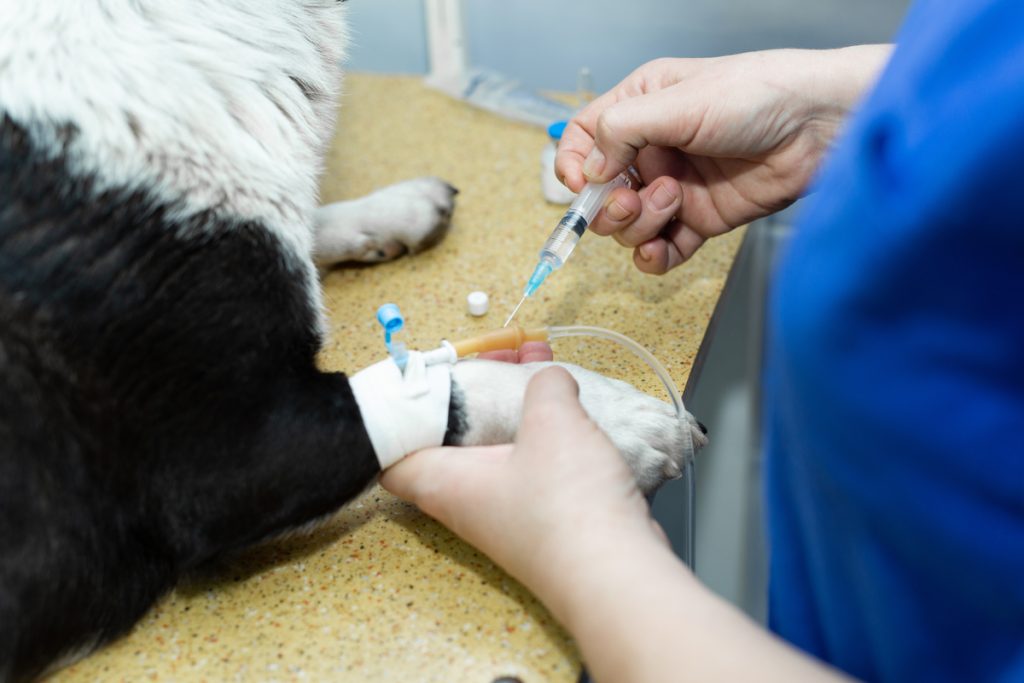
Mange presents specific challenges that older treatments often fail to address adequately. Sarcoptic mange is highly contagious and requires sustained exposure to the active ingredient to interrupt the mite lifecycle. Demodectic mange, while not contagious, can be persistent and difficult to resolve, particularly in dogs with underlying health issues.
In real-world conditions, follow-up injections or repeated topical applications are frequently missed or delayed. This inconsistency leads to prolonged disease, secondary infections, and continued transmission. Effective mange control depends less on a single strong dose and more on continuous systemic coverage, something many traditional protocols struggle to provide.
How Fluralaner Works Inside the Dog’s Body
Fluralaner is a systemic ectoparasiticide that works by circulating in the bloodstream and targeting parasites when they feed. Its mechanism of action disrupts the nervous system of fleas, ticks, and mites, leading to paralysis and death.
Because fluralaner is systemic, its effectiveness does not depend on skin surface distribution, bathing schedules, or environmental conditions. Once administered, it provides consistent exposure to parasites over 12 weeks. This sustained activity aligns well with parasite lifecycles and supports reliable control across different infestation types.
Fluralaner vs Simparica and NexGard
Fluralaner, Simparica, and NexGard all belong to the same general class of modern ectoparasiticides, and each is effective against fleas and ticks. The key difference lies in duration of action.
Fluralaner is distinguished by its longer dosing interval, which can simplify treatment schedules and improve compliance. Fewer doses mean fewer opportunities for missed treatments, particularly in shelters, NGOs, and rural settings.
In environments where consistent monthly dosing is realistic, shorter-acting options may perform well. In settings where follow-up is uncertain, the extended duration of fluralaner offers a clear operational advantage.
Why Shelters and NGOs Prefer Long-Acting Treatments
Shelters and animal welfare organizations operate under constraints that make frequent treatment challenging. High intake volumes, limited staff, and unpredictable lengths of stay all complicate parasite control.
Long-acting treatments allow shelters to administer parasite control at intake with confidence that protection will continue after adoption or relocation. This reduces reinfestation risk, improves animal welfare, and simplifies protocols.
For NGOs working in community dog populations, the ability to deliver effective treatment in a single intervention is often decisive. Long-acting solutions help standardize care across large populations with limited resources.
Safety and Tolerability in Real-World Use
Any systemic treatment must balance efficacy with safety. Fluralaner has been widely adopted because it offers a favorable tolerability profile when used according to guidelines. Its systemic activity is selective for parasite targets, supporting safe use across a wide range of dogs.
As with all veterinary medicines, appropriate dosing and professional oversight remain essential. However, the overall safety record of fluralaner has contributed to confidence among veterinarians, shelters, and distributors.
Why Fluralaner Fits Real-World Parasite Control
The replacement of older flea, tick, and mange treatments by fluralaner reflects a broader shift toward solutions that perform reliably outside ideal conditions. Extended duration, systemic consistency, improved compliance, and reduced handling demands address long-standing weaknesses of traditional protocols.
For veterinarians, shelters, and animal health organizations managing diverse dog populations, fluralaner offers a practical, scalable approach to parasite control. Its growing adoption is driven by the clear advantages it provides in real-world use.
Pingback: How Generic Fluralaner Has Changed Long-Lasting Parasite Care Costs - Novodex Pharma